Premier Event for Women of destiny! Get ready to soar like never before. Join us for an incredible day of Encouragement, Empowerment and Inspiration galore. Hear from a powerful panel of Miss Overcomers as they share life transforming Biblical strategies to help you Reclaim Courage, Affirm your Calling and Walk Strong in the Miss Overcomer lifestyle you were born to enjoy! Don’t miss this Divine Moment tailor made just for you. You’ve been Chosen for the Miss Overcomer Gathering! Cost is Free but seating is limited. Click here to register.
Education Extra
See You at the Pole 2022 “Aflame,” the Annual Global Day of Student Prayer, is Wednesday, September 28. All around the globe, in every time zone, millions of students will meet at their school’s flagpole for a time of prayer for the 32nd Annual See You at the Pole (SYATP). SYATP is a student-initiated, student- organized and student-led event.
SYATP is about one simple thing – STUDENTS in PRAYER. Before school, tens of thousands of students locally meet together at their school’s flagpole in prayer for their friends, families, school, city, state and nation. This year’s SYATP emphasis is “Aflame,” taken from Romans 12:11-12 in the Bible.
First Priority will once again coordinate SYATP efforts for Greater Birmingham through:
Awareness – print, web, social media, TV and radio;
Students gathering at their school’s flagpole on the morning of September 28, to pray for their school, teachers, classmates, community and our nation; and
Community rallies, planned by local First Priority student volunteers and adults, that will be held on the evening of September 28.
See You at the Pole is a student-initiated, student-led movement that started in 1990. It originated with one youth group, meeting at night at several schools in the community during a weekend retreat. SYATP brings students to their school flagpoles to intercede for their leaders, schools and families, asking God to bring moral and spiritual awakening to their campuses and countries. First Priority estimates 25,000-30,000 students across the Greater-Birmingham Area will participate in SYATP this year. For more information, visit syatp.com. †
Special Feature
Jane sat staring at the floor. “If only, I could go back and do it over. I didn’t think it would be this way. Somehow time got away from me.”
Like Jane, we go through life not always thinking about the future. We may not consider how our actions today will affect us- and others- tomorrow. It is not unusual to reminisce and encounter phases of happiness, victories, disappointments, and regrets. As much as we would like to change the past, there are some things we cannot reverse. However, we can choose to make the most of today for the good of our families.
Evaluate Priorities. Do your priorities include investing time with your children? You probably have heard this statement: “Enjoy them now because they grow up fast!” Unfortunately, we cannot retrieve lost time. But we can determine today to be available for our children- to play with them, listen to them, and teach them about Christ. When you are with them, learn what they like, what makes them smile, and their idiosyncrasies. Let it be your goal to make tomorrow better without if only.
In the article, “The 5 Things People Regret Most On Their Deathbed”, Business Insider highlights the research of an end-of-life nurse. The second greatest regret expressed by her patients was, “I wished I hadn’t worked so hard.” They reported remorse over missing their children’s youth and their spouse’s company.
There is a Time and Season. Ecclesiastes 3:1 states, “There is a time for everything, and a season for every activity under the heavens.” This Scripture reminds us there is a time for various aspects of life, relationships, work, and other obligations. There is also a time to think of others above yourself. The events of life do not happen by chance. They are orchestrated appointments under the hands of Almighty God.
Embrace the opportunities you have to engage your family. As the four seasons come and go, so do the seasons of life. Choose to be faithful and productive now. Learn to make the most of the mundane, the celebrations, and the ebbs and flows of life. Do not be like Jane, who looked back with regrets. Think about how you utilize your time and decide to live each day with purpose. The clock of life advances one second at a time. Use each one wisely.
-Vanessa Jones
Vice President & Co-founder of Biblical Marriage Institute
Are you ever disappointed because someone cancels a time to meet and that leaves you in a lurch? It might be plans to catch up with an old group of friends, a lunch meeting, or a play date with kids. When someone cancels at the last minute it can cause havoc with your schedule for the day and can feel disrespectful. When it happens multiple times, it can really damage relationships.
What if you could communicate more clearly to prevent a misunderstanding? Are you willing to try a conversational technique that may sound counterintuitive? I remember when my kids were young how hard it was to get out during the week for things like a doctor’s appointment or a haircut without them, and the diaper bag, and the stroller all in tow. A kind friend would offer to keep the kids so I could get out. But you know what often happened? She’d cancel at the last minute. And sometimes the call to cancel would come when everything was loaded in the car.
I wish I had known then what I know now about how to test the plans to check to see if something could get in the way. For example, I could have used some humor to ask, “are you writing this in pencil or pen, could anything come up that could get in the way?” Then if the answer is “of course something could come up, but if that happens, I’ll let you know.”
Consider how this applies to your business, professional, or volunteer life. You’re making an appointment with someone. You can say, “I’ll bet you run a tight schedule with your calendar, I do too. By any chance could something come up and bump this meeting?” See what they say. What you want to hear is that the meeting’s important to them and they’ll be there. Using this approach to test commitment and communication doesn’t mean there won’t be canceled plans. However, it can help set the stage for clear communication and clarity on rescheduling if needed.
You may be thinking, I should not have to do all that – people should just follow through! Remember when communicating and closing the book on communication the burden is on us for clarity and confirmation. And is it worth it to avoid confusion and misunderstanding? Those are the questions we all have to answer as we work to be more effective communicators.
Sizemore lives in Hoover, Ala. and is a Consultant, Coach, Trainer and Speaker focused on the subconscious psychology of Human Interaction and Motivation. Her firm specializes in Sales, Management and Leadership Development for Proactive Business Growth.
As your parents begin settling into their final phase of life, their health, residence, and finances could become a significant factor in your own financial planning—especially if your parents have tasked you with settling their estates. Navigating the logistical and emotional challenges associated with caring for an aging parent is a challenge, but these four steps can help ensure that your parent (and you!) are safe, cared for, and financially secure.
1. Call a family meeting. Gather all close family members for an open, honest discussion. This is the time to discuss finances, health concerns, and expectations from everyone involved. Where will your parent live? How will care be provided if it’s required? These can be sensitive topics, and the conversation will need to be had with gentleness and care; but avoiding the conversation or not communicating openly can ultimately lead to hurt feelings and poor planning.
2. Gather the essentials. If your parent doesn’t keep all important documents in one location, now is the time to collect things like identifications, wills, online logins, and end of life directives. We can help you make a comprehensive list.
3. Tag along. Start attending your parent’s appointments. When they go to the doctor, ask questions to familiarize yourself with their health status. Ask your parent to introduce you to their financial advisor and attorney. Make sure the relevant professionals have all important information about changes to your parent’s health, mental capacity, or living situation.
4. Prepare your parent, and yourself, to finish well. As Moses approached the end of his life, he prayed, “Teach us to number our days that we may gain a heart of wisdom” (Ps. 90:12). It sounds counterintuitive but considering the brevity of life equips you to make the most of your remaining days. You not only notice the little things, but you start to prioritize the big things.
Get the logistical, medical, legal, and financial preparations done, so you can use your time for what’s most important: recounting the Lord’s faithfulness to your family (Isa. 63:7) and enjoying the blessings of generations being together (Prov. 17:6). If your parent is entering this stage of their life, OneAscent would be honored to help prepare your family to finish well.
Investment advisory services offered by OneAscent Wealth Management, LLC, a registered investment advisor with the United States Securities and Exchange Commission.
Legal Matters
Brought to you by: Community Partner Holliman & Holliman, hollimanlegal.com
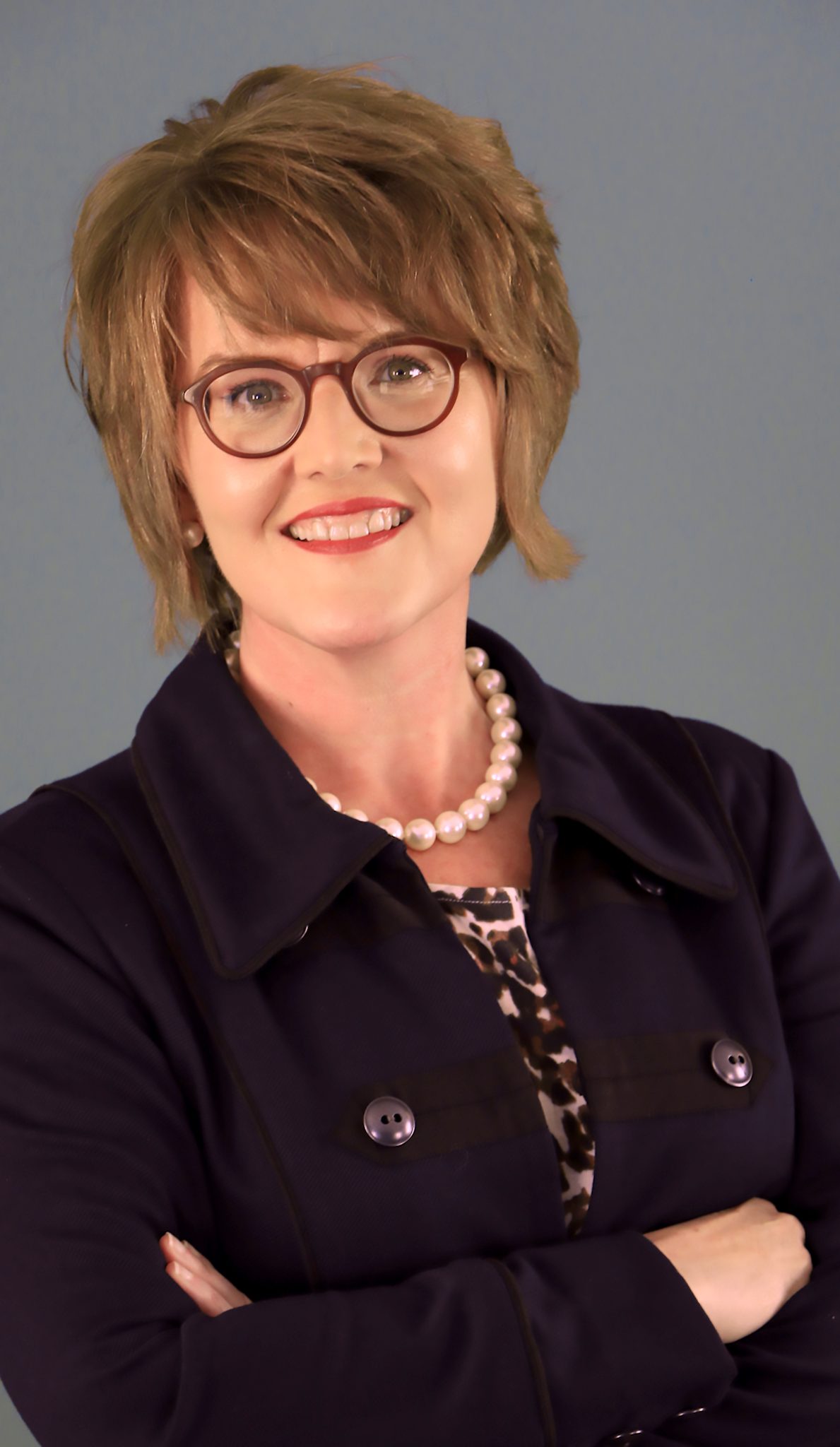
Yes, 70 may be the new 50, and grandparents are redefining their roles by living more active and longer lives. More often than you might think, adult grandchildren are faced with helping their grandparents plan their golden years. Families are getting smaller and live so far away that your parents or siblings may not be available to take care of grandparents. In fact, your grandparents may be more open to sharing and working with an adult grandchild on their plans than with their own children. Consider these three key areas for subtle discussions with grandparents.
1. Independence. Many grandparents strongly prefer to live in their own homes as long as possible and do not want to move in with any of their children. You could gently encourage your grandparents to consider other options by taking “field trips” to visit independent care, assisted living, and nursing homes nearby. Take careful note of their preferences.
2. Healthcare. Find out if your grandparents have long-term care policies. Make sure each has a current Durable Powers of Attorney (with a backup!), Power of Healthcare decisions, Advance Directives for healthcare, living wills, possibly DNR orders (do not resuscitate) to share with doctors and medical facilities, and prepaid burial plans, plots, or other plans such as donating their bodies to medical research. A current list of medications is always handy for doctor visits as well as medical emergencies.
3. Financial Affairs. Make sure your grandparents have someone set up with financial power of attorney to handle bills when needed. Remember that the various powers of attorney can be split among people with different expertise. You can learn who your grandparents’ team is — CPA, investment advisor, estate planning attorney, and executors — without necessarily getting “into their business.” Asking for their recommendations for your own plans is a great conversation starter.
Make sure that their financial management is still good. Some studies found that financial literacy peaks in the late 40s or 50s and declines after 60. On the flip side, financial confidence increases up to age 85. Now that’s a potential problem! One adult son had to file for conservatorship when his 86-year-old dad started giving inordinate amounts of money to a caregiver of his invalid wife. You are truly blessed if you have grandparents, so take care of them!
“I waited patiently for the Lord; He turned to me and heard my cry. He lifted me out of the slimy pit, out of the mud and mire; He set my feet on a rock and gave me a firm place to stand. He put a new song in my mouth, a hymn of praise to our God…” Psalm 40:1-3
As a child, I was hurt and ashamed. Forced to carry the struggles of the adults around me, I frequently moved from place to place. The only consistency I experienced was the physical abuse, neglect and yelling. Because of its consistency, I didn’t realize at the time that it was abnormal. But somewhere deep inside I questioned it. Why do I feel so helpless? Why do the people around me not see me as a child who longs for love? I had so many questions, no voice to express them and no one to help me find the answers. Until I came to Big Oak Ranch.
London Heiser says her time at Big Oak Ranch helped her find freedom and healing.
Excited, but nervous, I arrived at Big Oak and even the permanence of the Girls’ Ranch sign reassured me that this would be different. I walked through the doors of the office and the smiles on every face told me I was wanted. They would hear me. They would see me. I just knew it. As I settled into my new home, I was encouraged to ask hard questions and to talk about my feelings. For the first time, people listened. I found the freedom to grow and heal as my Big Oak family helped me navigate the difficult answers to my questions. As I walked this journey, I was surrounded by people who were patient with my mistakes, firm in discipline and unconditional in their love for me.
London Heiser is seen here with her husband Colton and their daughter Haven.
Big Oak showed me not only what childhood should look like, but what parenting truly is. I saw marriages that operated from a desire to elevate and love one another, with the intentionality to build a family that is strong and equipped for the future. We did chores on the Ranch together and I learned how to budget – how to tithe, pay bills, and save and spend wisely. From a girl with so many questions and no voice, to a wife and mother who has found healing, I might not understand every answer, but I do now understand how God intended family to be. I do understand that there is hope. My husband, Colton, is my best friend and we work together to ensure life is different for our beautiful daughter, Haven.
When I visit Big Oak and see each new Family Beach Trip photo hanging on the wall, I am filled with gratitude for a home where other children can find a place to belong, a place to also find their voice. To read more, visit www.bigoak.org.
-London Heiser
If you have a Miracle that you would be willing to share, please email [email protected]. Subject Line: Miracle Moments or call 205-408-7150.
Best Books
Reading books at bedtime is a win-win. You’re opening the wonderful world of books to the minds of your littles while slowing them down with snuggles to prepare for sleep. Introducing a new pair of books that impart faith into the hearts of your children during this precious time together, Bedtime with Mommy along with its brand-new companion Bedtime with Daddy, are wonderful additions to your bedtime routine.
Both books feature animal babies around the world with their parent tucking them into bed. From babies to toddlers (and even bigger ones, too!) kids will identify with their favorite animal pairs. Bedtime with Mommy includes elephants on the grasslands, pandas in the bamboo forest, and camels in the desert. Bedtime with Daddy features penguins in Antarctica, peacocks in the bushland, and reindeer on the tundra. And more!
These animal mommies and daddies sing hymns, read the Bible, and pray with their young ones as they say goodnight. Each book even features the parent praying a blessing over their child. As your children hear these prayers and blessings read to them, they’re sent off to sleep knowing their parent loves them and so does God. Isn’t that a wonderful way to say goodnight to your child? Another benefit of these adorable, padded board books is that they give examples to young parents of ways to impart a foundation of faith and prayer into the hearts of the next generation. As they see animal mommies and daddies taking time to pray and read the Bible and sing a hymn together with their little ones at bedtime, they’ll be inspired to do the same.
Bedtime with Mommy is a great addition to your bedtime routine with your child.
The final pages of each book show a real mommy or daddy tucking their child into bed. With snuggles and hugs and kisses in these books showing them sending their little ones off to bed, there will be lots of love shared with your own child as you read the books together. Bedtime with Mommy and its companion Bedtime with Daddy are delightful new additions to every family’s bedtime routine!
-Nancy I. Sanders
Award winning author of over 100 children’s books
Best Books
“We exist in a world eating away at itself.” This sentence is found on the first page of Rich Villodas’ new book, Good and Beautiful and Kind- Becoming Whole in a Fractured World (Waterbrook). Our culture has become fractured by ugliness, hostility, and hatred. The fragmentation is eating away at our social life and even worse, the divisiveness has infiltrated the church world – wreaking havoc on our spiritual health and trashing our witness before the world. How can the people of God become agents of grace and goodness, of beauty and kindness?
Good and Kind and Beautiful is available for purchase at Sanctuary Christian Books and Gifts in Alabaster.
Villodas offers us a Christ-centered way of living as agents of grace in a world that is being ripped apart. The divisions in our society are created by sin, trauma, and the powers and principalities of systemic unrighteousness. Sadly, the church is not immune from the temptation of contentiousness. As God’s people, we can resist falling prey to the chaos through prayer, humility, gentleness, and empathy. Forgiveness and justice can deconstruct many of the walls of hostility that divide us. When we follow God’s call to live as agents of love for both Him and our neighbor, we will inherently reflect the goodness, kindness, and peace of God.
Upon finishing Villodas’ book, I reflected on Jesus’ assertion that the world will know we are Christians by our love, along with Paul’s claim that love is the greatest gift of God. If you ask the typical non-Christian to describe the Christian community, would they call us a people of love, kindness, goodness, and beauty? Would they use such adjectives to describe you or me? It’s a question we should routinely consider if we want to heal our broken world. May God’s Spirit lead us into a new era of love and kindness. The world surely needs it.
Cancer diagnoses are nothing to celebrate. As Daniel Walker puts it, “no cancer is good.” But when Walker found out the specific type of cancer his son had, he considered it good news. Daniel’s son Asher was diagnosed with leukemia in January 2016. Asher had turned 5 years old just two weeks prior, and according to Daniel, he had been a “normal, regularly active child” up to that point.
That changed in one weekend. The weather was freezing in central Alabama, and Asher was pale and seemed to have a cold. By Monday morning, his symptoms had worsened, so Daniel decided to keep him out of school. On the way to the bathroom that morning, Asher stumbled, fell on the floor and began vomiting. Daniel knew something was wrong, so he set up an appointment with Asher’s pediatrician. That doctor sent him to Children’s of Alabama, where after a series of tests, physicians determined that Asher had leukemia. Initial results suggested he had acute myeloid leukemia (AML), a type of cancer that requires intensive chemotherapy treatments followed by months in the hospital recovering from each treatment cycle. He might even need a stem cell transplant–one of the most intensive types of leukemia treatments.
Asher Walker is seen here with his dad, Daniel, and Dr. Kutny.
When Daniel found out, he went numb. “(My body and mind) almost went into like auto-pilot mode,” he said. “It’s like it compartmentalized any emotion that I was feeling because I knew I was the only one that he had to be able to deal with this. As Daniel was still processing the diagnosis, doctors at Children’s were doing more genetic tests on Asher’s leukemia cells. Two days later, they had more details. Asher had a specific subtype of AML called acute promyelocytic leukemia (APL). Historically, it has been extremely difficult to treat. Patients with APL need aggressive treatments, such as cytotoxic chemotherapy. They typically become very sick from both the disease and its treatments, and less than half are cured. In the 1980s, only 25% of APL patients might be alive and free of leukemia five years later, according to Dr. Malcolm Smith of the National Cancer Institute.
But in January 2016, when Asher was diagnosed, Dr. Matthew Kutny, a pediatric hematologist and oncologist at Children’s of Alabama, was in the early stages of a clinical trial using a new APL treatment. It involved a regimen of arsenic trioxide and all-trans retinoic acid (ATRA). If Asher joined the clinical trial, he could be treated for APL without needing chemotherapy. Asher would be exposed to far fewer toxins and spend less time in the hospital. One doctor told Daniel a diagnosis of APL was best news he could have hoped for. “It was a no-brainer,” Daniel said. He enrolled his son in the trial. Initially, it wasn’t easy. Daniel remembers nights during the first two weeks when Asher’s oxygen levels would fall, and doctors would come into Asher’s room with a portable X-ray machine to check him out. “That’s what was the scariest–the first two weeks in the hospital, the first two weeks of treatment,” Daniel said. “Because he wasn’t eating well. We were trying to figure out medication.”
But Kutny had warned Daniel to expect this, and eventually, Asher’s symptoms improved with the supportive care given by his medical team. Soon, Asher was able to leave the hospital and receive treatments in the outpatient clinic. He was even able to go to the grocery store with his dad on the way home from treatments and tag along while Daniel went to work, if needed. “That was really a very positive aspect of this treatment: Asher could still be a kid, and he didn’t have to worry about the struggles and the additional illnesses that come along with the more traditional chemotherapy treatment,” Daniel said. Asher’s treatment lasted almost nine months. Aside from trips to Children’s to be treated, his life was mostly normal, Daniel said. Eventually, he went into full remission. Now, he returns to the hospital only once a year just to get bloodwork. “You can say, ‘OK it’s bad, no matter which (type of leukemia) we had.’ But I’m going to be grateful that it’s this and not something else,” Daniel said. “Because with this, it’s much more manageable.”
Asher was one of 154 pediatric APL patients who participated in Kutny’s study, which was coordinated by the National Cancer Institute. Between 2015 and 2019, More than 80 institutions across the Children’s Oncology Group (COG) enrolled patients in the study. It found that the treatment of arsenic trioxide and ATRA without cytotoxic chemotherapy was just as effective as the traditional chemotherapy treatment while being far less challenging to the patient. It’s now the new standard of care for these patients. The study was published in the Journal of the American Medical Association-Oncology in November. “We’re excited as a COG investigator to be in an era where we can offer patients a far more effective and less toxic approach to treating cancer,” Kutny said. “This is what we hope represents the future for many childhood cancers, that we can move away from the more toxic and intense treatments toward a more targeted approach that really attacks specifically the genetic changes that occurred in the cell that turned it into a cancer cell.”
Kutny hopes doctors will find ways to refine the treatment process even further in the future. Because the arsenic trioxide has to be administered intravenously, patients have to visit clinics to receive it. This happens daily during the induction phase of the treatment and five days a week during consolidation. This often leads to a lot of absences from school for patients like Asher, who according to Daniel, missed about half of kindergarten while being treated. Kutny says there are some encouraging early studies on converting the arsenic trioxide treatment to an oral form, which would prevent patients from missing school. That means the treatment that already has set a new standard of care still has room to get better. For more information, visit childrensal.org/cancer. †
Get MORE Good News!
Join our Free E-newsletter packed with the latest family fun events, great recipes, inspiring stories, and all kinds of resources for you and your family.







 Yes, 70 may be the new 50, and grandparents are redefining their roles by living more active and longer lives. More often than you might think, adult grandchildren are faced with helping their grandparents plan their golden years. Families are getting smaller and live so far away that your parents or siblings may not be available to take care of grandparents. In fact, your grandparents may be more open to sharing and working with an adult grandchild on their plans than with their own children. Consider these three key areas for subtle discussions with grandparents.


