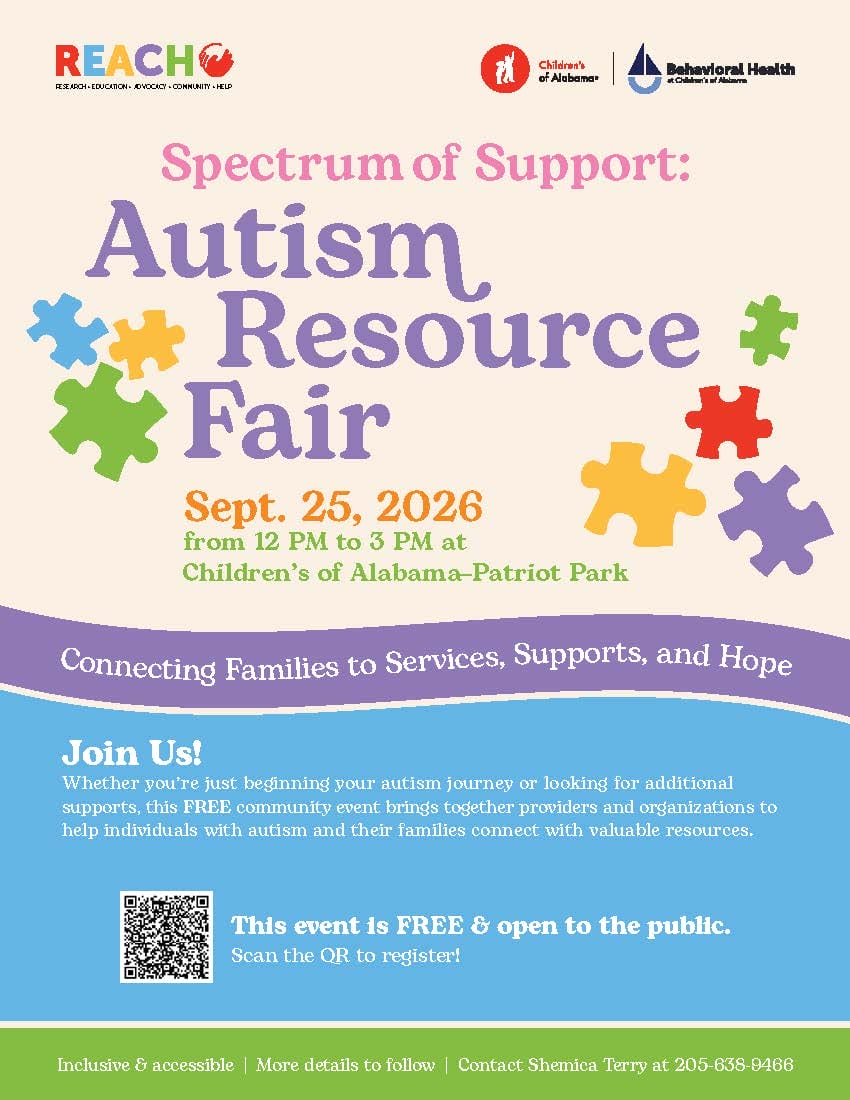
This event connects families to services, support, and hope. Whether you are just beginning your autism journey or looking for additional support, this FREE community event brings together providers and organizations to help individuals with autism and their families connect with valuable resources.
Learn about:
Autism Evaluations & Diagnostic Services
ABA Therapy Providers
Social Skills Training
Parent Education & Family Support Programs
Community Programs & Recreational opportunities
InToto invites you to “Our Voices” for an evening that celebrates the healing power of creativity and community on Tuesday September 9. “Our Voices” features visual art, live poetry readings and musical performances from InToto’s participating artists across our 5 partnering organizations:
*Firehouse Shelter for men *Pathways Home shelter for women and children *Faith Chapel Care Center serving people navigating housing insecurity *The 1920 Club for people in recovery from mental illness *Birmingham VA serving veterans
Enjoy an art sale from 6-9pm and live performances starting at 7pm. This free, all-ages event welcomes the entire community! Guests will enjoy complimentary refreshments. Donations are encouraged on a pay-what-you-can basis and will contribute to sustaining InToto’s mission of providing transformative arts experiences that inspire resilience and belonging for so many in our city who lack the resources and access to outlets for expression, connection, and healing. We invite you to open your eyes, ears, and hearts in support of these talented artists and storytellers. 80% of art sales will go directly to the creators. The remaining proceeds, plus any donations from the evening will support InToto’s healing arts programs for veterans and people navigating homeless and poverty, mental illness, and disability.
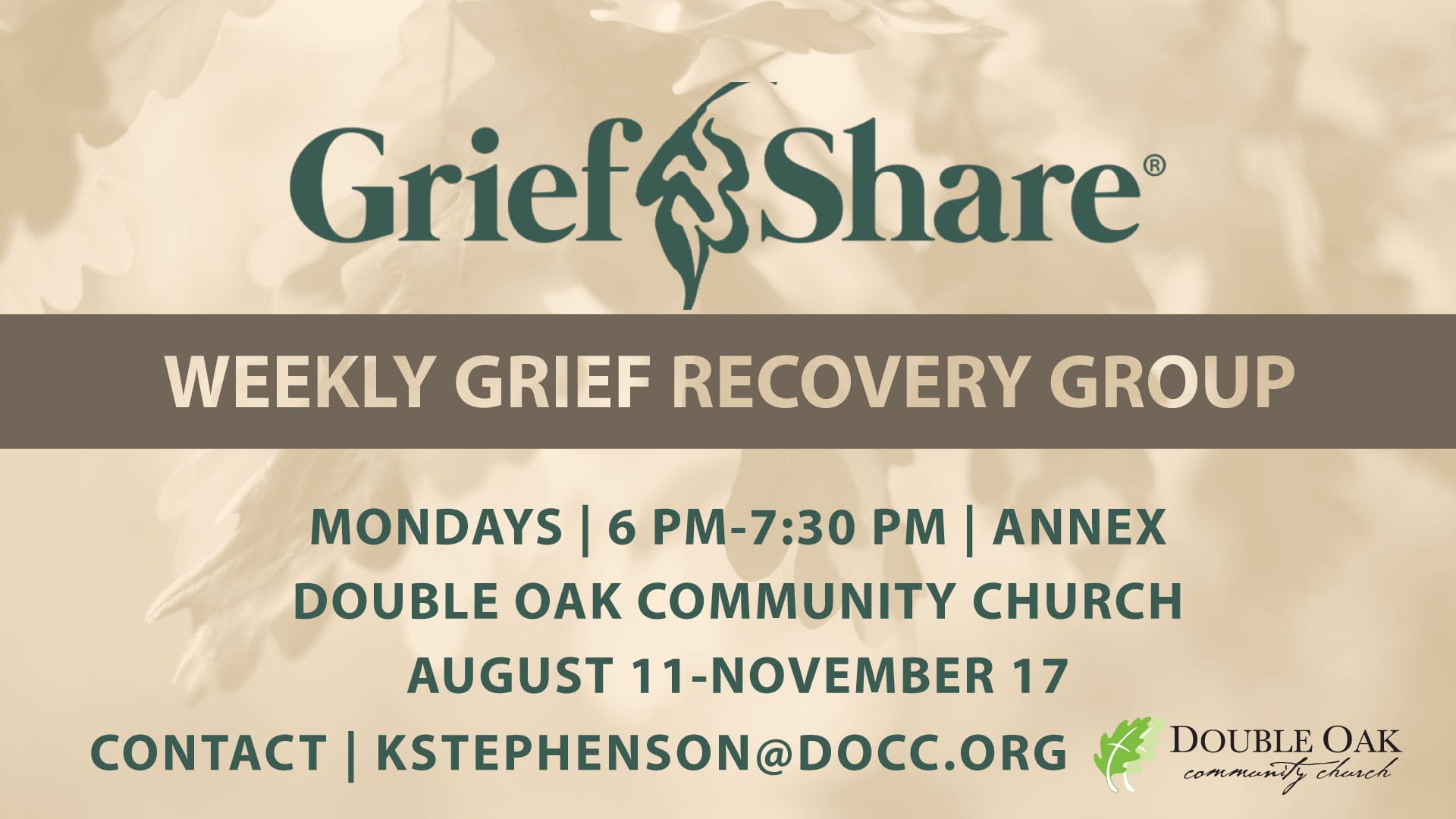
GriefShare at Double Oak Community Church (located in the town of Mt Laurel)
GriefShare Grief & Loss Support Group at Double Oak Community Church is open to anyone who has lost a loved one to death and is still struggling with navigating the grief process. This group is open to anyone to attend free of charge.
GriefShare will meet on Mondays starting August 11 through November 17 (not meeting on designated holidays), 6 pm – 7:30 pm each week. The group will meet in The Annex (located on the back side of the Double Oak Community Church-Community Building located at 112 Olmsted Street). A small parking lot area is located on the back side of the building and the entrance to the Annex faces that parking lot. Please contact Kelly Stephenson if you have any questions and are interested in joining the group.
As winter gives way to spring and nature awakens, we are inspired to rejuvenate our own lives and welcome fresh starts. When Biblical wisdom aligns with established therapeutic methods, it paves a path from hopelessness to renewal.
The Bible is abundant with themes of renewal and transformation. For instance, it states, “Therefore, if anyone is in Christ, the new creation has come: The old has passed away; behold, the new has come!” (2 Cor 5:17, NIV). This essential teaching motivates people to release their past burdens and grievances while opening themselves up to the hope and healing that awaits. In our rapidly changing world, mental health issues are becoming increasingly common, prompting many people to seek meaningful and impactful solutions. As a dedicated Christian and owner of Fortify Christian Counseling, it is foundational to my practice to highlight the vital role of faith in the healing process. I firmly believe that while scientific research is essential for understanding mental health, it is the spiritual dimension- the power of God- that enables true transformation (see Phil 2:13). Many individuals encounter significant emotional struggles, yet they often find solace and strength through their faith. By blending Biblical teachings- such as grace, love, and forgiveness- with competent clinical insights, we can create a comprehensive recovery framework that not only meets emotional needs but also empowers individuals to flourish.
Cognitive behavioral therapy (CBT) encourages us to recognize and confront negative thought patterns. By becoming aware of the unhelpful and even false beliefs we may have internalized, we can realign our thoughts with the truths expressed in Scripture. For instance, rather than defining ourselves by our faults, we can embrace the Biblical principles of forgiveness and redemption (John 1:9; Eph 1:7) and celebrate the wonderful beings God created us to be (Psalm 139:14). Mindfulness practices also help us create positivity and tranquility in our lives by focusing on Scriptures, like Philippians 4:8, which encourages us to think on things that are true, noble, right, pure, lovely, and admirable. As the holistic therapy movement continues to build momentum, the stories of transformation are truly inspiring. Countless clients have reported remarkable breakthroughs in their mental health, with many experiencing better relationships, greater emotional stability, and a renewed sense of purpose.
Join others in this transformative journey and discover your own potential for lasting change through the powerful combination of Biblical wisdom and therapeutic methods. Reach out today to arrange an appointment with a Fortify team member (all licensed clinicians or pastoral counselors). Don’t miss out on our upcoming marriage counseling group starting soon!
Watch the video below to learn more about the importance of blending Biblical practices with clinical practices which includes Christian Cognitive Behavior Therapy.
Stress is a normal part of life and is the body’s reaction to pressure from a certain situation or event. A person can react to stress physically, mentally, or emotionally. Everyone deals with stress at some point in life. Maybe it’s the pandemic, your job, a family illness, or money troubles causing stress. According to a recent study, about half of Americans say they are dealing with moderate stress. Here are four tips to help reduce stress anxiety.
1. Focus on positive things
2. Exercise and eat healthy
3. Stay alcohol and drug free
4. Talk about your experience and feelings
Chronic Stress. The physical effects of stress do not usually last long. However, some people find themselves in a constant state of heightened alertness known as chronic stress. When someone is under chronic stress, it begins to affect their physical or mental health. Chronic stress increases the risk of developing health problems including obesity, diabetes, heart disease, cancer, and a weakened immune system. Chronic stress can make functioning daily more challenging. The first step in dealing with chronic stress is recognizing and admitting it exists. Next, find time to develop and implement strategies to manage stress. Social support from family and friends can also be a helpful tool.
Stress Triggers. Being aware of what triggers your stress increases your ability to either prevent stress or to more effectively handle it. If you often experience stress, we encourage you to take some time to consider what tends to set it off for you. See if there are some things within your control to manage better. Recognize that some triggers are beyond your control. While these challenges might not have easy solutions, you can still learn and grow from the experience. It can teach you to look honestly at situations, experience the emotions a situation brings up, and search within yourself for answers. This process can bring surprisingly positive outcomes.
It is essential for parents to model effective stress management and coping skills. How can you help your child develop a healthy relationship with stress and avoid stress overload?
Teach your child that stress is normal and healthy and can be handled in a positive manner if given the tools.
Allow your child to express his or her feelings.
Promote good nutrition and exercise during early years so they become habits for a lifetime.
Teach them the value of forgiveness for themselves and others.
Did you know COMPACT offers free prevention, intervention, and education for Shelby County students and parents on difficult topics and issues like substance misuse, truancy, behavioral issues, and more? Click to fill out a referral form.
A grief support group for those who lost a child aged 18 or older. To be held on Tuesdays, June 4 – July 30 at Dawson Memorial Baptist Church, North Building, Room 258. No session on July 4th.
Did you know big things are happening in the brain during adolescence and that the brain isn’t fully developed until the mid-twenties? Studies show that adolescence is a unique phase in development in which the reward center of the brain is more active or tends to shout louder than the logical portion. The logical portion is the front part of the brain called the pre-frontal cortex. It is one of the last brain regions to mature. This area is responsible for skills like planning, prioritizing, and controlling impulses. The reward or pleasure-seeking portion of the brain is what tends to take charge in the teenage years- especially during stressful times. Because the logical skills are still developing and the reward center takes a lead in decision making, teens are more likely to engage in risky behaviors or make decisions without considering the potential results.
Anxiety Vulnerability. According to the National Institutes of Health, nearly one in three of all adolescents will experience an anxiety disorder. According to the CDC, anxiety is at its highest in youth between 12 to 17 years old. These numbers have been on the rise for many years. Hospital admissions for suicidal teenagers have more than doubled over the past decade. Due to the big changes the brain is undergoing during these years, teens are more vulnerable to issues with emotion regulation such as anxiety and depression. Be aware of the potential signs of anxiety including:
Recurring fears and worries
Changes in behavior
Avoiding activities, school or social interactions
Dropping grades
Trouble sleeping
It is important to talk with teens about potential stressors and help them keep perspective and find ways to cope.
Drug Vulnerability. As a teen’s brain develops, drugs can damage the way they process experiences. The specific effect depends on the type of drug being used. There are three main categories of drugs- each with a different set of effects on the brain.
1. Stimulants: Cause teen brains to produce an unnatural amount of energy causing heart racing, rising body temperature, and fast breathing.
2. Depressants: Cause decrease in energy, slows breathing and heart rates, and lowers body temperature.
3. Hallucinogens: Affect the brain’s perception of reality. Teens that use them can have delusional thoughts.
The good news is that the brain is ready to learn. It can change, adapt, and react to the environment. It is resilient and responds quickly to treatment. For more information, visit Facebook @Compact2020 or call 205-605-1827. To read more articles like this, visit www.BirminghamChristian.com/COMPACT. †
Did you know COMPACT offers free prevention, intervention, and education for Shelby County students and parents on difficult topics and issues like substance misuse, truancy, behavioral issues, and more? Click to fill out a referral form.
After the loss of a loved one, the first holiday season can bring on a great deal of stress, anxiety, depression, anger, and sadness. Community Grief Support is offering 3 free “Hope for the Holidays” workshops to help those who are facing their first holidays as a loss survivor. The workshops are offered in two different locations and virtually. Learn more here.
After the loss of a loved one, the first holiday season can bring on a great deal of stress, anxiety, depression, anger, and sadness. Community Grief Support is offering 3 free “Hope for the Holidays” workshops to help those who are facing their first holidays as a loss survivor. The workshops are offered in two different locations and virtually. Learn more here.
After the loss of a loved one, the first holiday season can bring on a great deal of stress, anxiety, depression, anger, and sadness. Community Grief Support is offering 3 free “Hope for the Holidays” workshops to help those who are facing their first holidays as a loss survivor. The workshops are offered in two different locations and virtually. Learn more here.
Get MORE Good News!
Join our Free E-newsletter packed with the latest family fun events, great recipes, inspiring stories, and all kinds of resources for you and your family.