
Cover Story


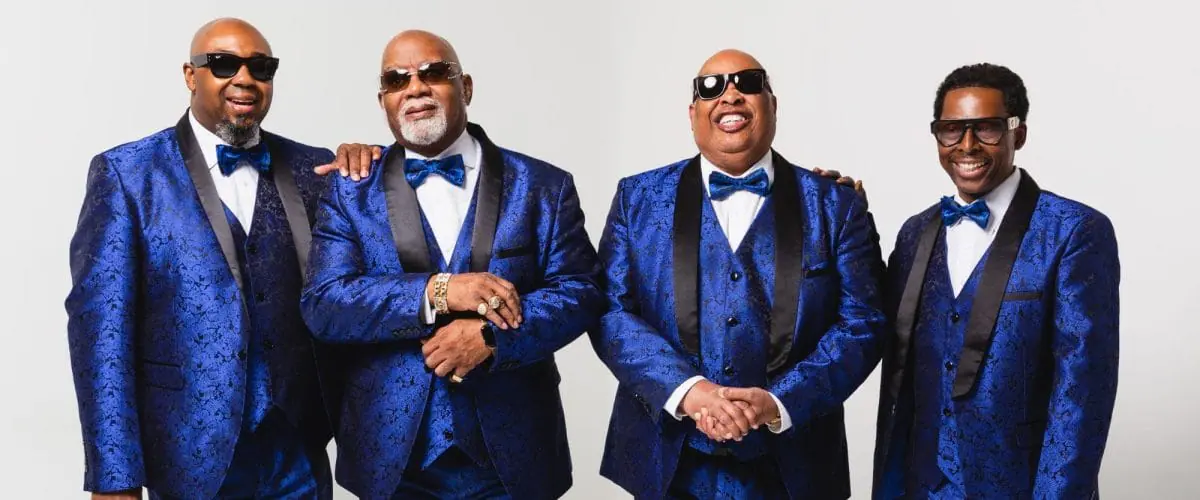
The Blind Boys of Alabama–one of the country’s most treasured musical groups–will be part of the “Sweet Home 250” event on July 3-4, 2026 at American Village in Montevallo. For more than 85 years, the legendary Gospel group has inspired audiences around the world with songs of hope and perseverance. They have performed for presidents, won Grammy Awards, toured internationally, and been inducted into multiple halls of fame. Yet ask Ricky McKinnie—the group’s leader, manager, and one of its longest-serving members—what matters most, and he’ll tell you it isn’t the awards. “Our music reaches from the heart, and we sing straight from the soul,” McKinnie said. “If you can feel it, then we’ve done our job.” That simple mission has carried the Blind Boys of Alabama from a school campus in Talladega, Ala. to stages across the globe, and the group will be a special treat at this year’s Independence Day celebration.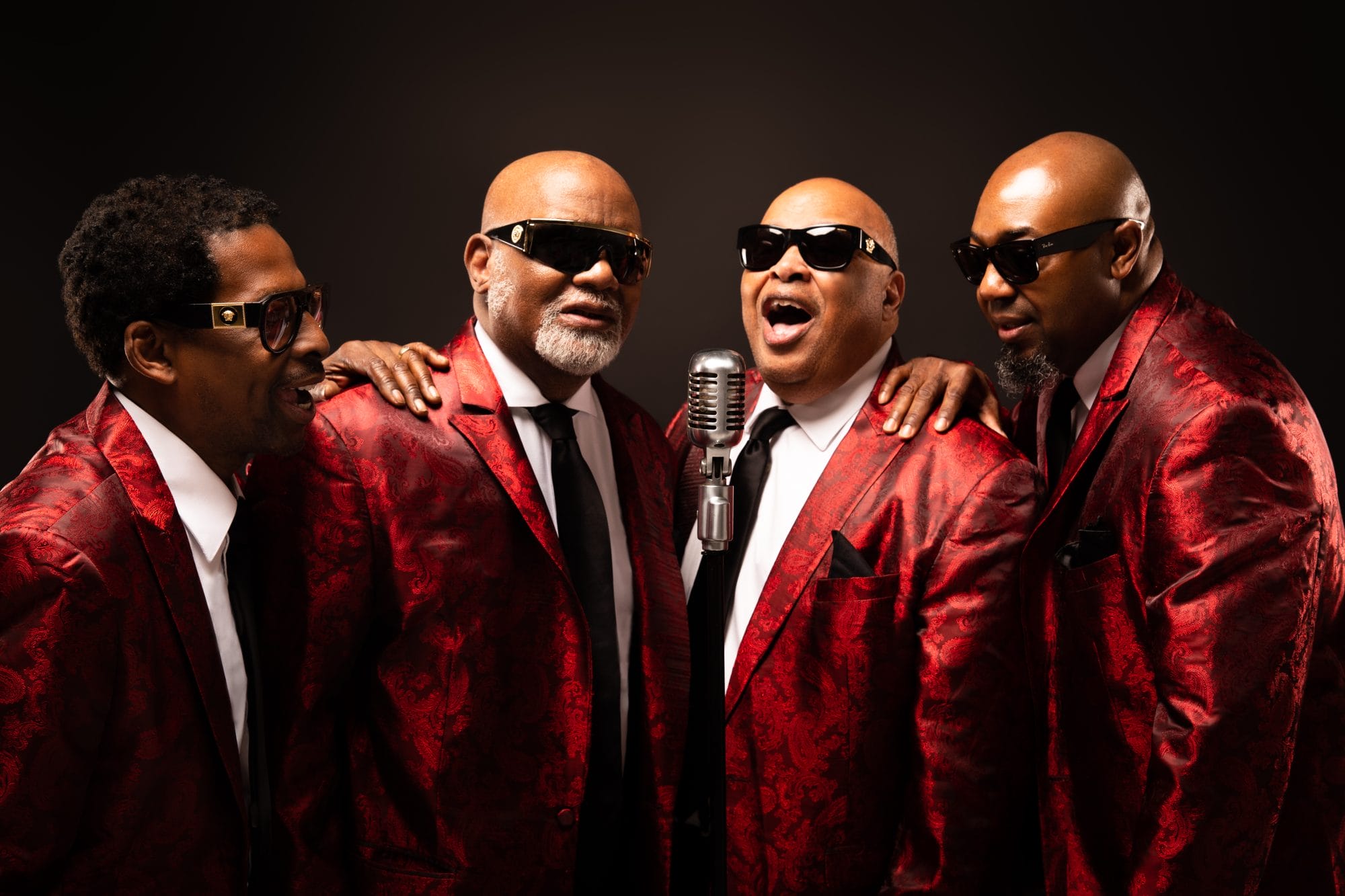
Roots Deep in Alabama. The Blind Boys of Alabama began in 1939 at the Alabama Institute for the Negro Blind in Talladega. Originally, they called themselves the Happyland Jubilee Singers and sang Gospel music in churches and local venues. “The group started in Talladega, where some voices were picked out of the school chorus because they wanted to form a quartet,” McKinnie said. The name that would make them famous came later. A promoter in New Jersey organized a contest between the Blind Boys of Alabama and the Blind Boys of Mississippi. The Alabama group kept the name, and music history was made. Over the decades, founding members including Clarence Fountain and Jimmy Carter led the group through eras of enormous cultural change. They toured the segregated south, recorded classic Gospel songs, and became pioneers in blending traditional Gospel with blues, soul, and roots music. Today, the Blind Boys are the longest-running musical group in America. Their achievements are impressive: six Grammy Awards, a Grammy Lifetime Achievement Award, inductions into the Gospel Music Hall of Fame and the Alabama Music Hall of Fame, and collaborations with artists ranging from Ben Harper and Bonnie Raitt to Tom Waits and Lou Reed. Yet McKinnie said none of that was part of the plan. “When I joined the Blind Boys, I didn’t come in with the pretense that we were going to win Grammys or be in the Gospel Music Hall of Fame,” he said. “We just wanted to sing.”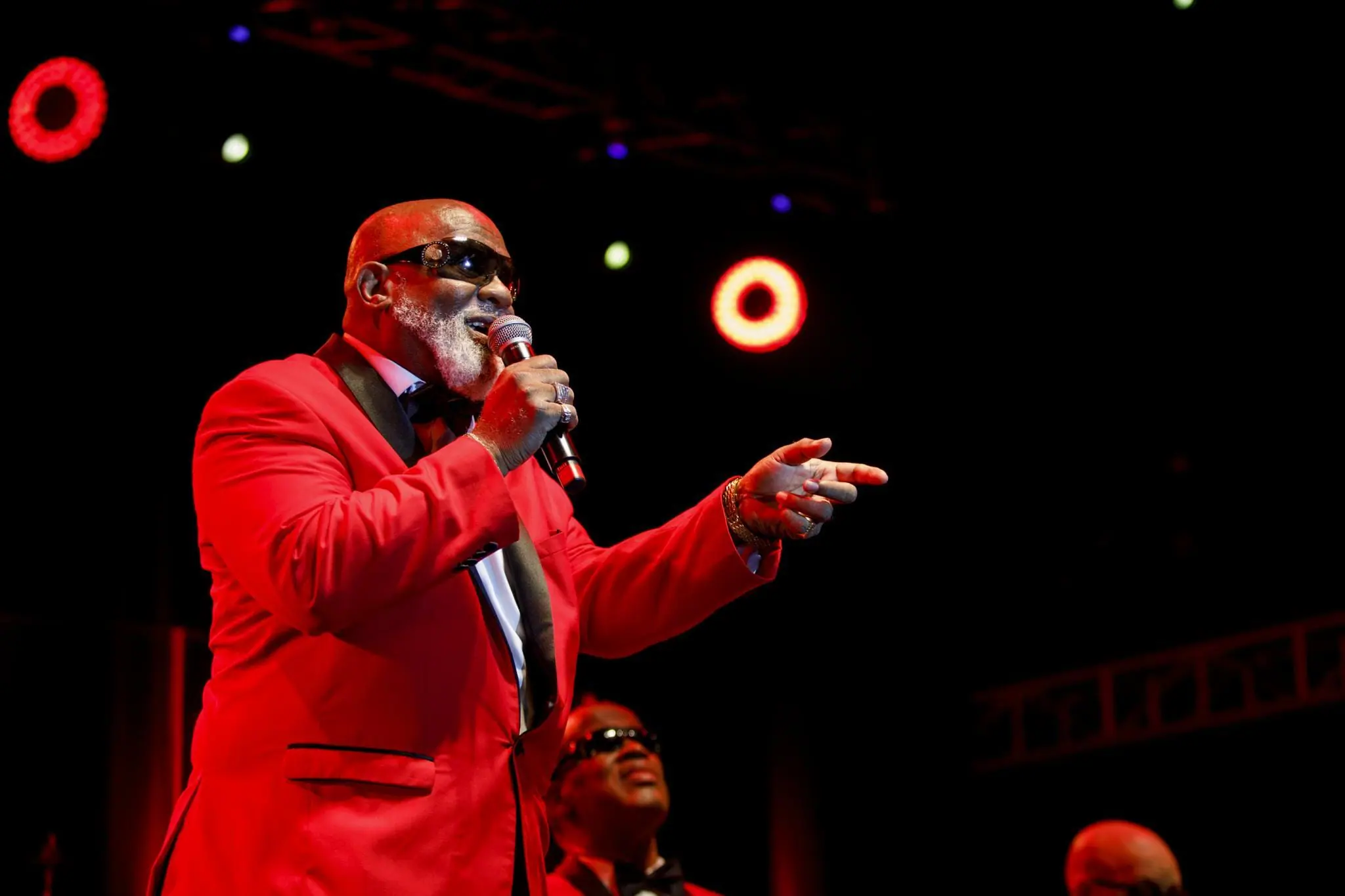
A Family Tradition. McKinnie’s connection to the group stretches back nearly his entire life. “I started working with the Blind Boys in the early 1970s because I met Clarence Fountain when I was four years old,” he said. “I had the opportunity to get to know them and work with them over the years.” He officially joined the group in 1989 as a drummer, and then, when the group’s manager died in 1997, McKinnie stepped in to help oversee operations. Over the years, he continued as co-manager while also performing. Following the deaths of longtime members, including Clarence Fountain and Bishop Billy Bowers, McKinnie gradually moved to the front of the stage. Today, he serves as leader, narrator, singer, and manager. Alongside his work with the Blind Boys, he also performs with his mother in his own group, Ricky McKinnie Singers. He sees himself today as carrying forward a legacy entrusted to him by men who became like family. He once had a conversation with founding member Johnny Fields that especially stressed that point. “He looked at me and said, ‘Would it bother you if I recognized you as my son? And I told him that it would be an honor to even have him think like that.'” The Blind Boys, he said, helped raise him—not just as a musician, but as a man.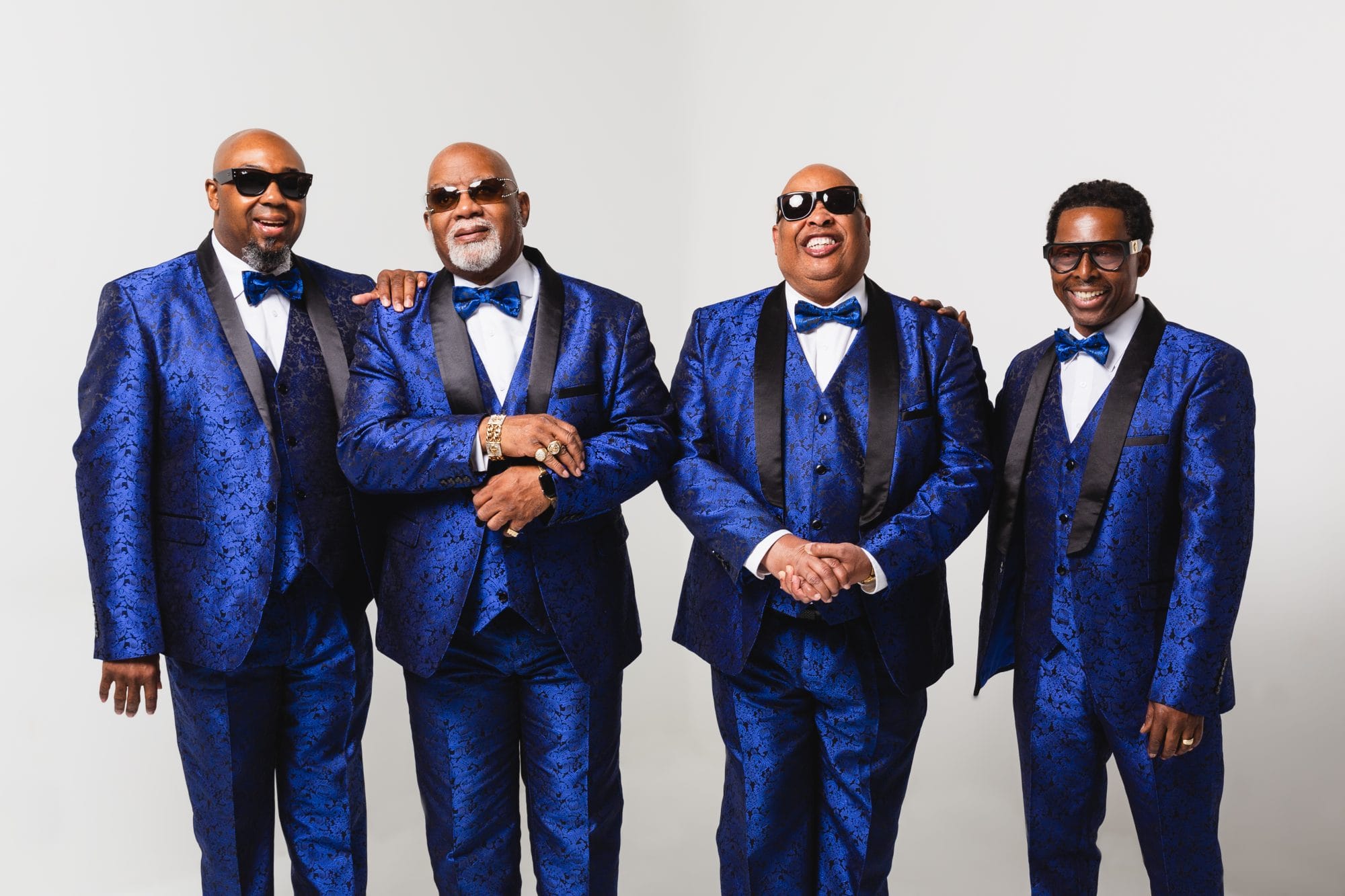
Unwavering Faith. The Blind Boys of Alabama have always been more than entertainers; they also are ministers through music. And for McKinnie, faith is the reason the group has endured. Their testimony that anyone can overcome obstacles has been intrinsically tied into that faith. “We show people that a disability doesn’t have to be a handicap,” McKinnie said. “It’s not about what you can’t do. It’s about what you can do to make a difference.” Then he offers a line that beautifully summarizes the Blind Boys’ legacy: “The men in this group may not have had their sight, but they never lost their vision.” For generations, audiences have connected with that message. McKinnie tells stories of people waiting for eye surgeries who requested that they sing “Amazing Grace.” Others have approached him after concerts and confessed that they weren’t Christians, but that they felt something stirring in them after experiencing the Blind Boys of Alabama’s music. “Those are the kinds of things that keep us out here,” he said. Every performance, the group sings one of its signature songs, “It’s Praying Time” and while their concerts aren’t sermons, McKinnie said that the group sees them as an opportunity to spread the Gospel message. “We don’t preach it,” McKinnie said. “But we’re gonna sing it.”
Freedom & Faith. As the Blind Boys prepare to perform at American Village, McKinnie said that Independence Day is an opportunity to remember not only America’s freedoms but also the struggles and faith that helped secure them. The group itself is part of that story. Formed in the Jim Crow South, the Blind Boys overcame barriers of race and disability while remaining rooted in faith. Their music became part of the soundtrack of both the Civil Rights era and modern America. “My mama always told me that people need people and people working together,” he said. For McKinnie, gratitude and unity are central to faith–and to America’s past and future.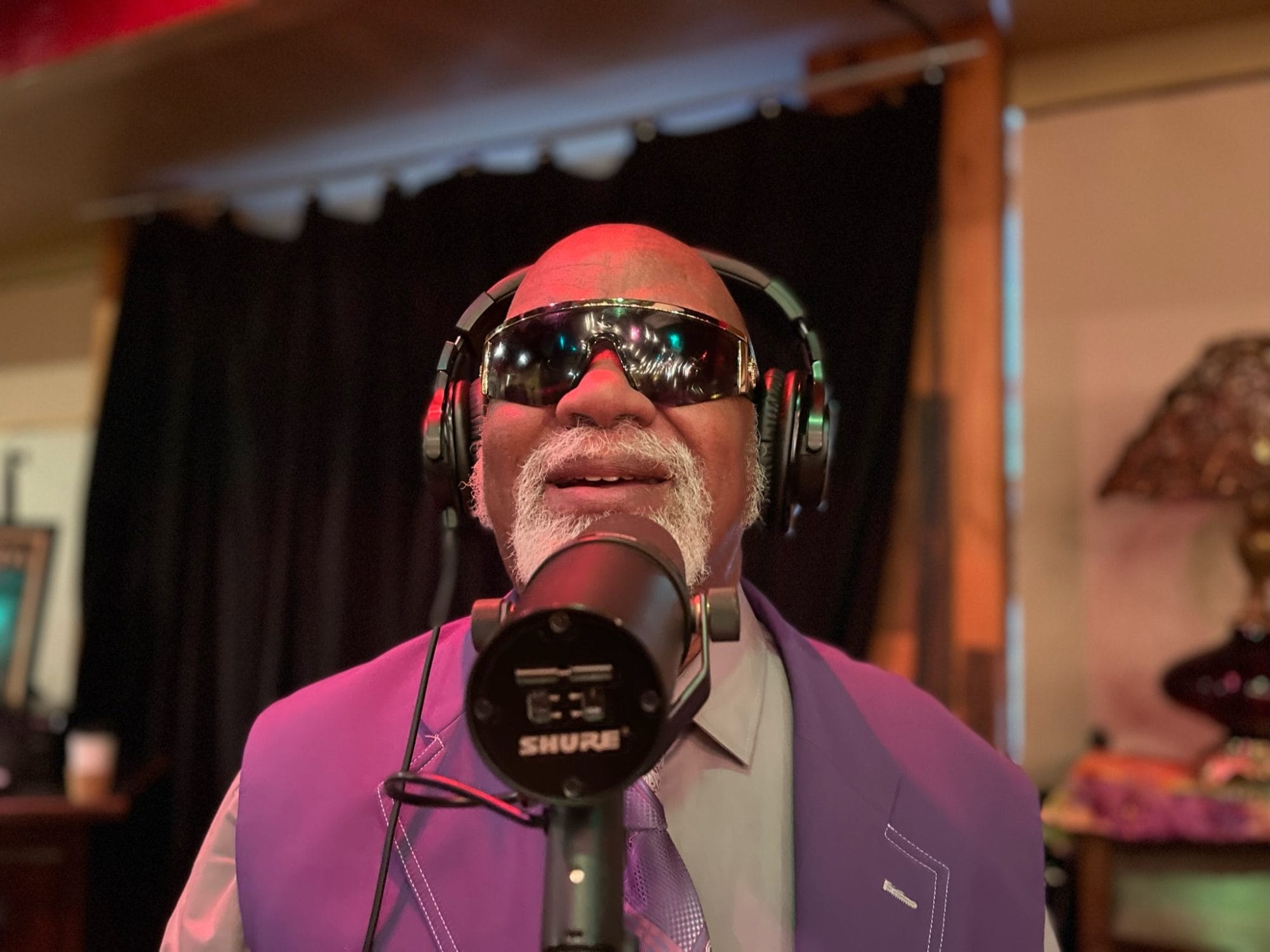
Looking Toward the Future. At an age when many groups have long since retired, the Blind Boys of Alabama are still on the road. In their early years, they performed about 150 shows annually. “Since the pandemic, we probably do between 80 and 100 shows a year,” McKinnie said. “We’re still traveling all over the world.” Europe remains a favorite destination, and Hawaii is on the horizon. The group also continues to create new music. Their recent album, Echoes of the South, earned a Grammy Award and pays tribute to the Birmingham radio program that introduced generations of listeners to Gospel music. In 2024, the group also released a memoir chronicling its remarkable journey. “If you really want an inspiring book,” McKinnie said, “it tells what it takes to be not just a singing group, but an organization.” The story is one of perseverance, friendship, faith, and joy. And despite all they’ve accomplished, McKinnie insists the Blind Boys are still doing what they set out to do decades ago. “We just wanted to sing,” he said. For those attending the American Village celebration or any of the group’s performances, McKinnie makes it clear what an audience will experience. “If you want to have a good time, and you’re feeling bad or sad, the place to be is with the Blind Boys. We’ll sign autographs, take pictures, but we’ll also have a revival,” he said.
-Cheryl Wray


